Chandeliers & Feature Lighting: Design, Scale, and Placement

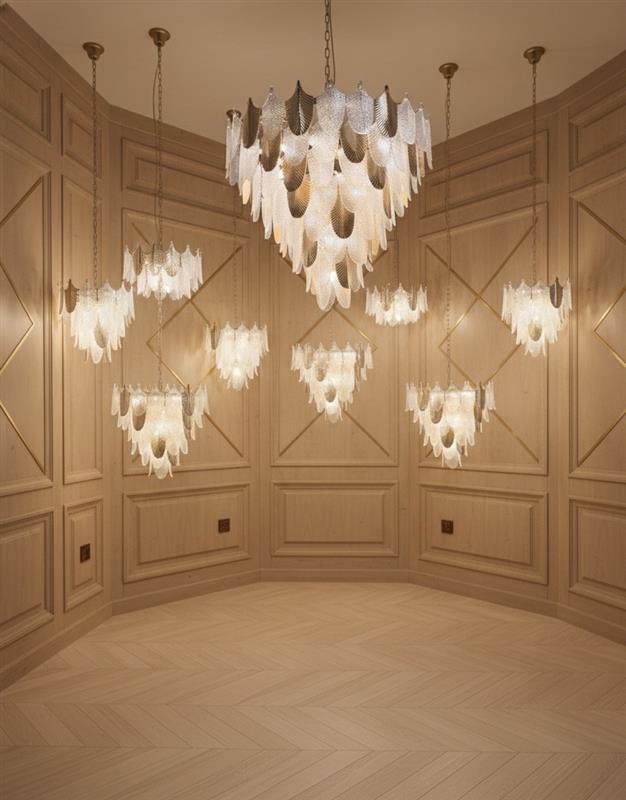
Feature lighting plays a defining role in shaping how a space is perceived. Chandeliers and statement ceiling lights can establish a focal point, emphasise architectural proportions and influence the atmosphere of an interior. Choosing the right design involves more than appearance alone; chandelier size, ceiling height, room proportions and placement all contribute to how successfully a fixture works within a space.
Design, Scale, and Placement

The Role of Feature Lighting

Feature lighting anchors a space visually. In living rooms, dining areas, and entryways, chandeliers and ceiling fixtures establish scale and create a focal point around which furniture, proportions, and architectural details align. The objective is presence without excess — lighting that enhances the space rather than competes with it.

Choosing the Right Scale

Scale is one of the most important considerations when choosing a chandelier or feature light. The fixture should feel proportionate not only to the dimensions of the room, but also to its ceiling height, furniture and overall visual volume.

Larger rooms and open-plan interiors may accommodate chandeliers with greater diameter, height or visual presence, while more compact spaces often benefit from more restrained proportions. A fixture that is too small can feel disconnected from the room, while one that is too large may overwhelm the surrounding interior.

Consider room size, ceiling height, furniture placement and the intended role of the chandelier together rather than treating any one measurement in isolation.
Design, Scale, and Placement

Hanging Height & Visual Balance

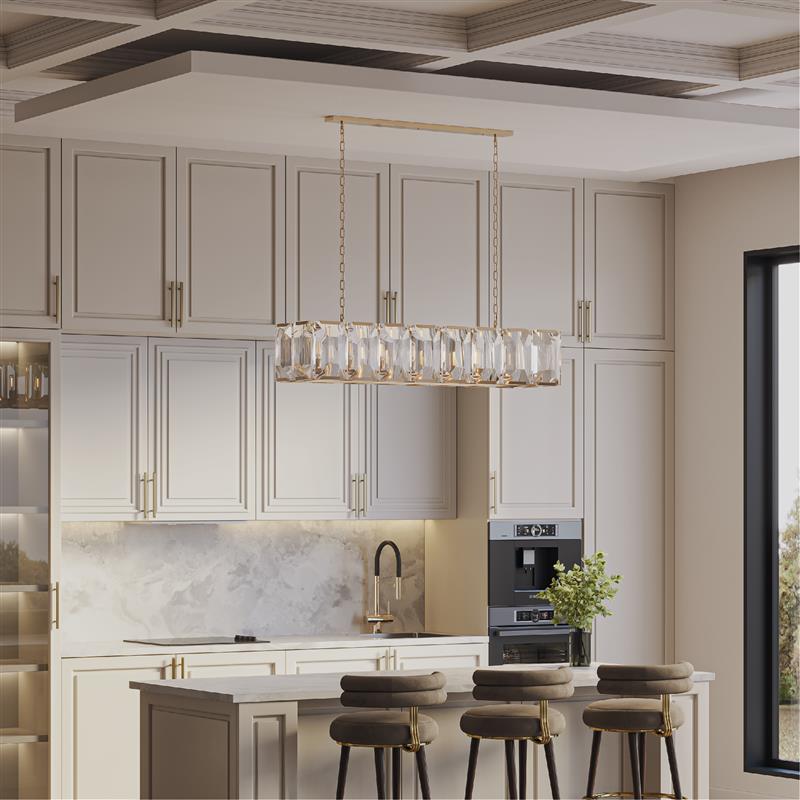
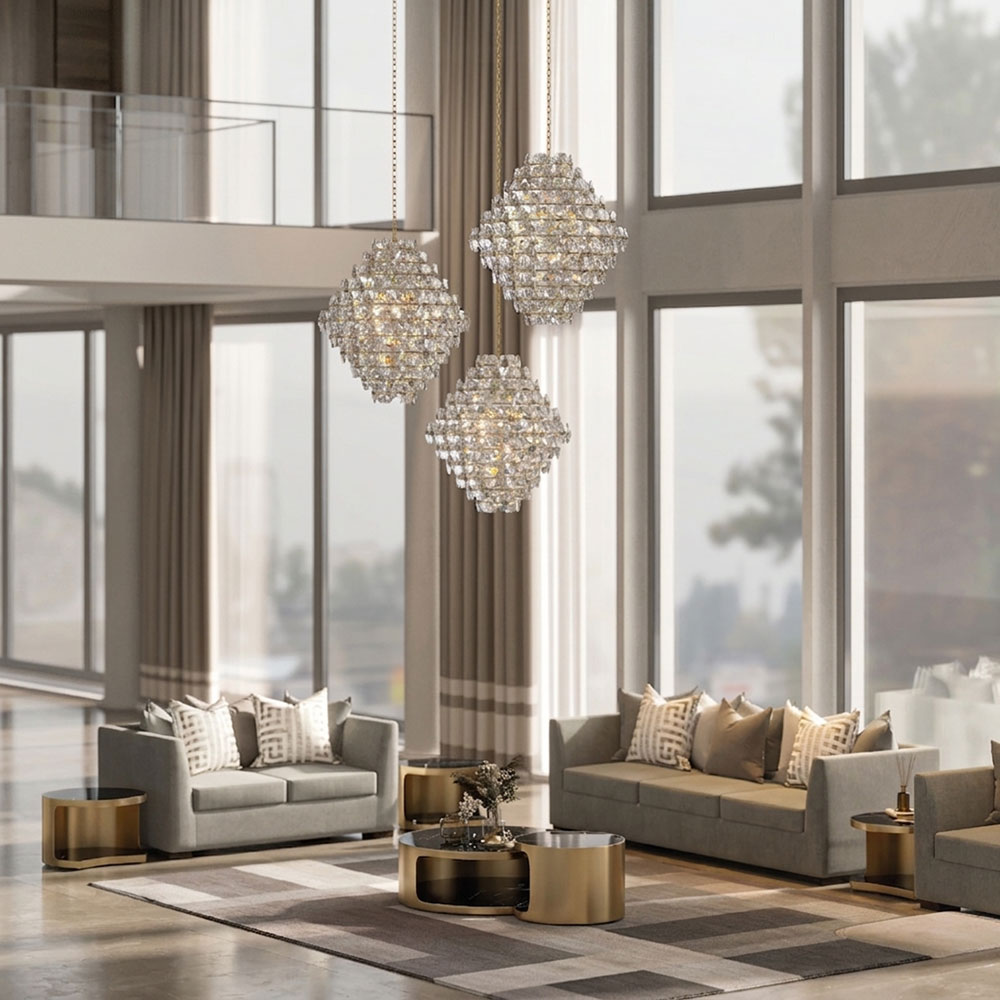
Correct hanging height ensures both comfort and visual harmony. In dining areas, feature lighting should frame the table while maintaining clear sightlines. In entryways and double-height spaces, chandeliers should visually connect the ceiling to the space below, avoiding the feeling of disconnection or excessive height. Professional guidance is recommended for complex ceiling conditions or heavier fixtures. The appropriate hanging height will vary according to the room, fixture dimensions, ceiling height and what is positioned beneath it.
Design, Scale, and Placement

Statement Lighting in Double-Height Spaces

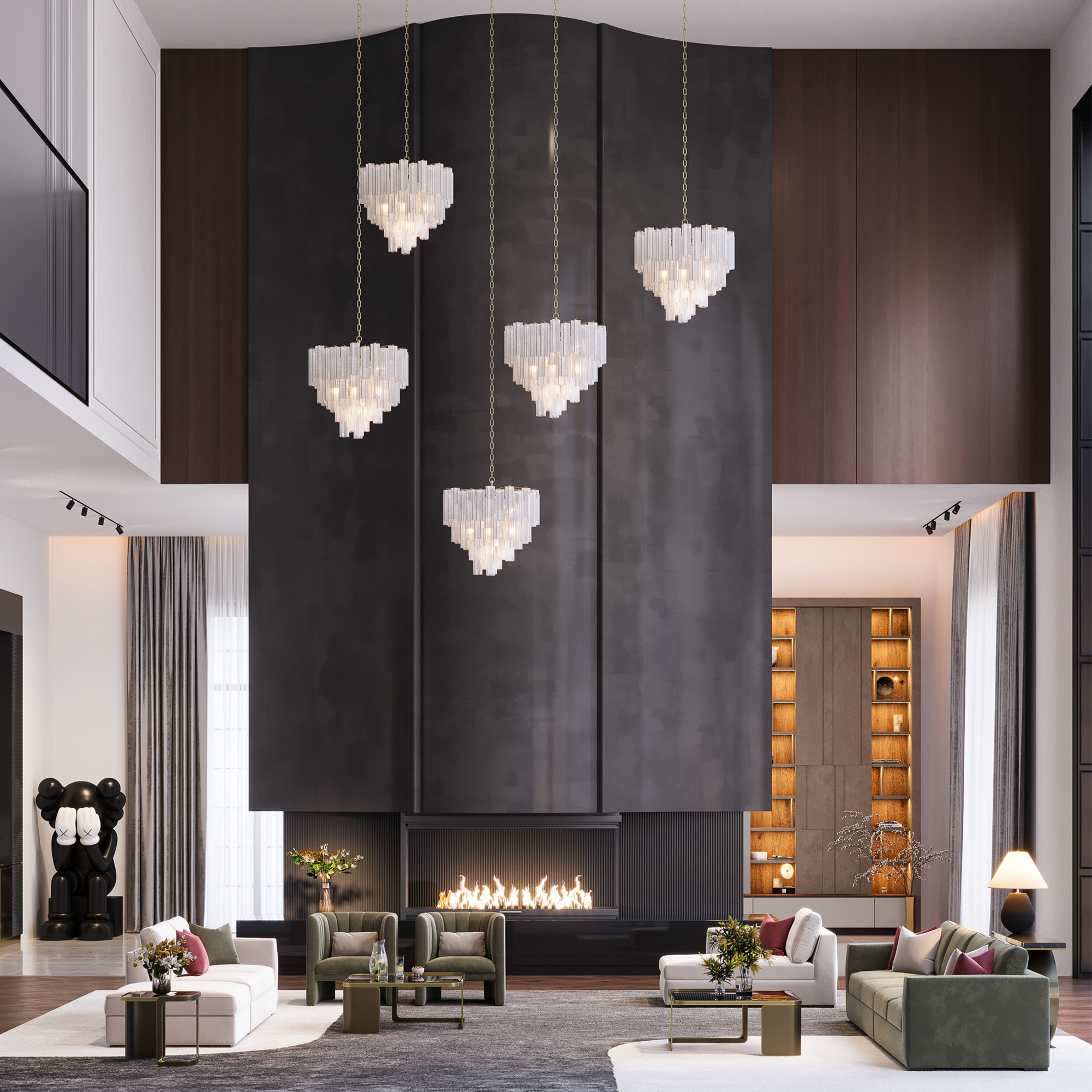
Double-height spaces allow for dramatic lighting expressions, but they require careful planning. Larger chandeliers or multi-tier designs are often most effective, supported by complementary lighting layers such as wall sconces or accent lighting to create balance and reduce shadows. The result should feel cohesive from every perspective.
Design, Scale, and Placement

Blending Design Styles

Contemporary interiors can accommodate a wide range of chandelier styles. Clean silhouettes, refined finishes, and thoughtfully designed crystal or glass elements can complement modern spaces without appearing traditional. Proportion, finish selection, and harmony with surrounding materials remain key.

Installation Considerations

Chandeliers and feature lights often involve structural considerations such as weight, ceiling strength, and wiring access. Ensuring the ceiling can support the fixture and that installation is carried out correctly is essential for safety and longevity.

Installation requirements vary according to the fixture, its weight and the existing ceiling conditions. Appropriate professional installation should therefore be considered as part of the selection process.

For personalised guidance, visit our Dubai or Abu Dhabi showrooms, where the White & Velvet team can help you explore chandeliers and feature lighting according to your space, proportions and requirements.

Explore Chandeliers at White & Velvet

Discover chandeliers and ceiling lights selected for a range of interior proportions, from considered feature lighting to statement designs for larger and double-height spaces.

Explore Chandeliers How to Choose the Right Lighting for Your Home